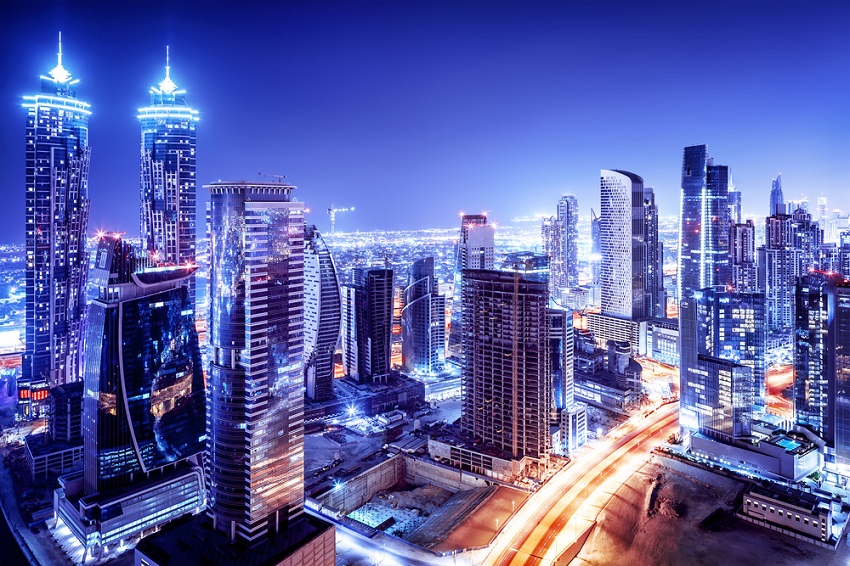

Stay ahead in Dubai’s dynamic real estate market with key insights on luxury properties, off-plan developments, and sustainable living trends. Discover what’s shaping the market in 2026 and beyond for informed investment decisions.
The Dubai real estate market has long been a cornerstone of global property investment, known for its rapid growth, luxurious offerings, and attractive returns. With the city’s ever-expanding skyline, world-class amenities, and strategic location, Dubai remains a hub for investors and homebuyers. As we move toward 2026, several key trends are shaping the market, making it essential for investors and buyers to stay informed and prepared for what lies ahead.
Overview of the Dubai Real Estate Market
Dubai has always been a dynamic real estate market, drawing investors from around the world. Over the past decade, the city’s real estate sector has evolved significantly, with residential, commercial, and mixed-use developments leading the charge. The market’s resilience, especially during periods of global economic uncertainty, is a testament to its long-term growth potential.
As Dubai enters the next phase of its development, it’s important to understand the current market trends that will influence property prices, demand, and overall investment opportunities.
1. Continued Growth of Off-Plan Developments
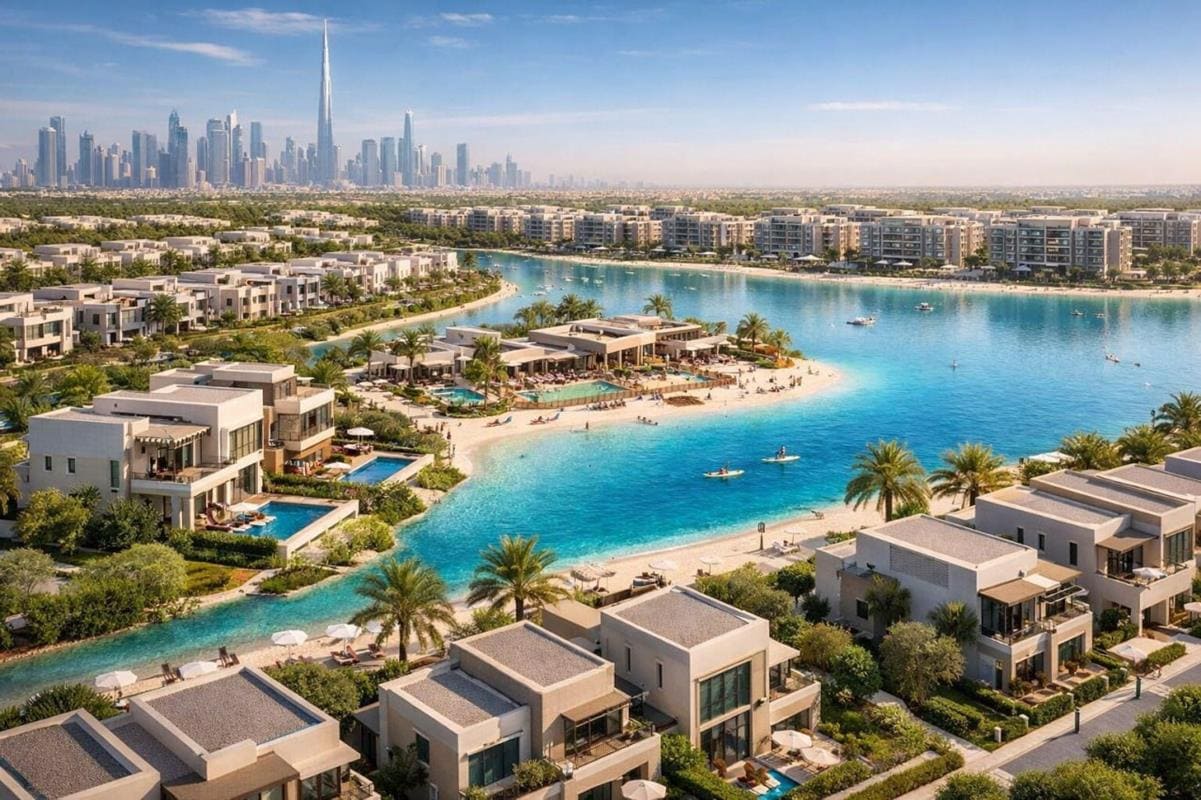
Off-plan properties in Dubai have become increasingly popular, especially for first-time investors. With lower entry costs compared to ready-to-move-in homes, off-plan developments provide an attractive opportunity for long-term investment. These properties are expected to continue thriving in 2026, particularly in areas like Dubai Hills Estate, Dubai South, and Dubai Creek Harbour, where developers are introducing a wide variety of residential options.
A key factor behind this growth is the rise in affordable housing options within off-plan projects, particularly targeting the mid-market segment. Additionally, developments with sustainable and energy-efficient features are gaining momentum, aligning with the UAE's national vision for sustainability.
2. Demand for Luxury Real Estate
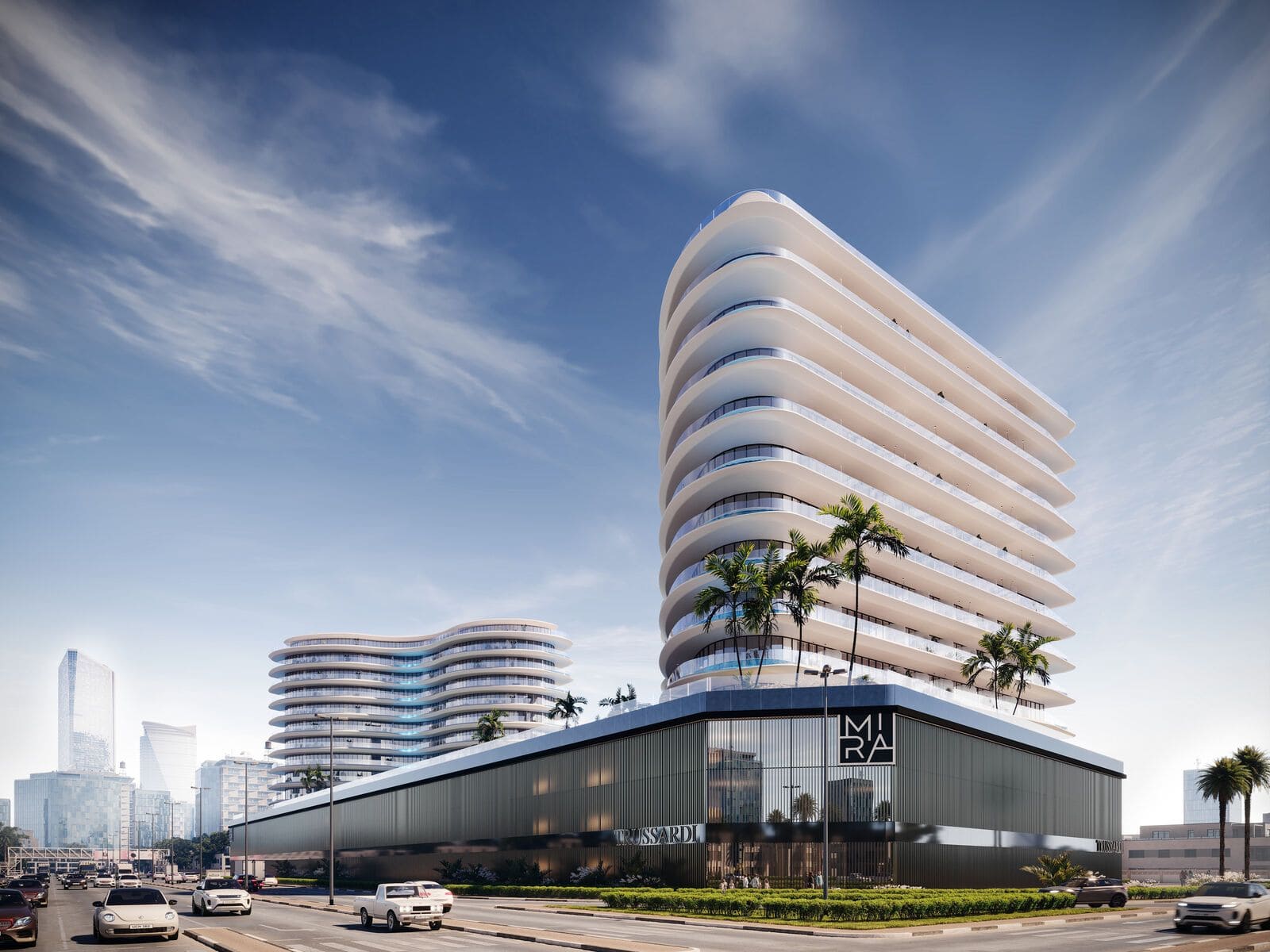
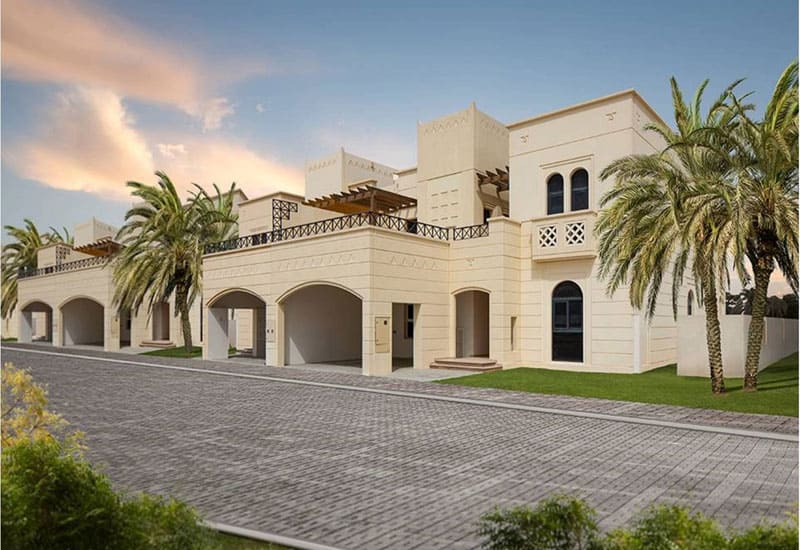
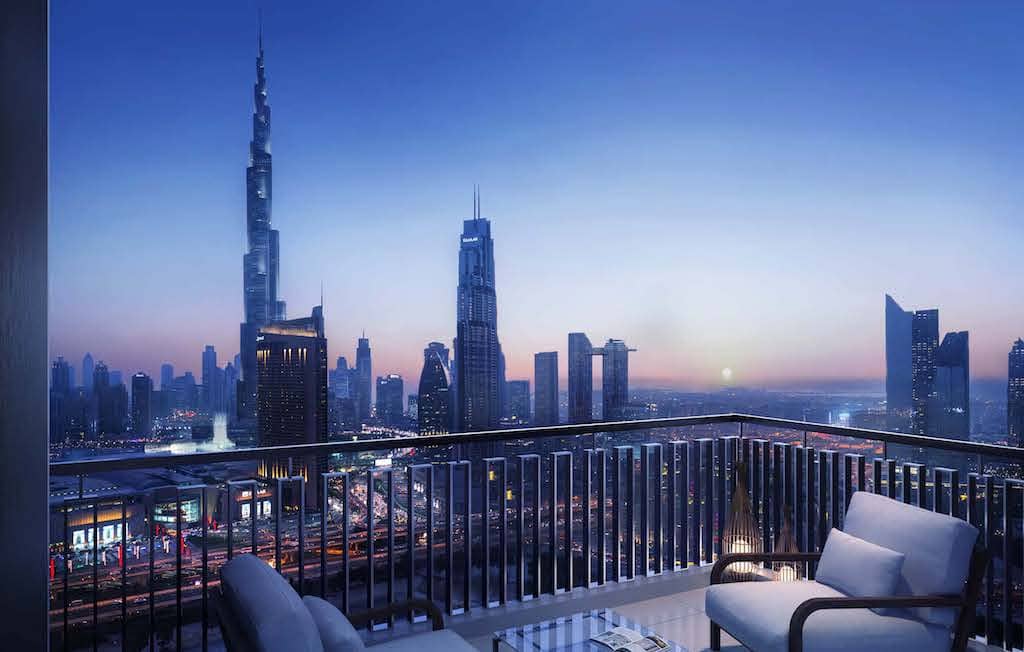
Dubai is renowned for its luxury properties, and demand for high-end homes continues to increase. Wealthy individuals and families from around the world are increasingly drawn to Dubai's exclusive neighborhoods, offering stunning villas, waterfront properties, and branded residences. Palm Jumeirah, Downtown Dubai, and Dubai Marina remain prime areas for luxury real estate, with new developments continuing to attract significant attention.
In 2026, luxury properties are expected to see even higher demand, driven by the city's growing appeal to ultra-high-net-worth individuals (UHNWIs) and global investors seeking a second home or vacation property. Alongside the growth of luxury living, buyers are also becoming more discerning, with an increasing demand for unique architectural designs, world-class amenities, and privacy.
3. Sustainable and Smart Homes: The Future of Living
The Dubai real estate market is embracing sustainability like never before. Buyers are increasingly seeking properties that are not only luxurious but also energy-efficient, environmentally friendly, and technologically advanced. The introduction of green building standards, energy-efficient designs, and renewable energy solutions are now common in new developments.
Moreover, smart homes—integrated with technology that allows homeowners to manage everything from security to energy consumption remotely—are becoming more prevalent in both high-end and mid-range properties. These tech-savvy homes appeal to younger buyers and investors looking for modern, forward-thinking living environments.
4. Expansion of Freehold Property Areas
Over the years, Dubai has expanded the number of areas where foreign nationals can purchase freehold property. Areas such as Jumeirah Village Circle (JVC), Dubai Hills Estate, and Dubai South have become increasingly popular among expats and international investors. In 2026, more regions will likely open up for foreign property ownership, making Dubai even more appealing to international buyers.
The growth of freehold areas is a strategic move by the government to encourage foreign investment and further diversify Dubai’s real estate market. These developments are also helping to meet the rising demand for affordable properties in prime locations, with a wide range of options available for both buyers and renters.
5. Strong Performance of the Rental Market
Dubai’s rental market continues to perform well, with many expats and professionals choosing to rent rather than buy. This trend is expected to remain strong in 2026, as Dubai’s population grows and the demand for rental properties remains high. In particular, well-located apartments and villas in popular areas such as Dubai Marina, Business Bay, and Jumeirah Village Circle are expected to see strong demand.
Investors looking for consistent returns may find rental properties to be a lucrative option. With high occupancy rates and competitive rental yields, the rental market in Dubai continues to attract both local and international investors. Additionally, short-term rentals, especially in prime locations, remain a profitable business model for property owners.
6. Government Initiatives and Regulatory Changes
Dubai’s government has been proactive in introducing policies aimed at boosting the real estate sector. These initiatives have helped make the market more attractive to foreign investors and have led to sustained growth in the sector. Key regulations, such as the introduction of long-term residency visas for investors and retirees, have further increased the appeal of owning property in Dubai.
Additionally, the government has focused on enhancing transparency within the market. The Dubai Land Department’s (DLD) digital services, which enable buyers and sellers to conduct property transactions online, will continue to streamline processes and reduce barriers to entry.
7. The Legacy of Expo 2020 and Dubai South's Rise
Dubai’s Expo 2020 has left a lasting legacy, particularly in the development of Dubai South, an area that is quickly becoming one of the city’s key real estate hubs. As Expo 2020 concluded, the site has transitioned into a mixed-use district that combines residential, commercial, and leisure spaces. The proximity of Dubai South to Al Maktoum International Airport and the upcoming expansion of the Dubai Metro make it an attractive destination for investors and homebuyers.
In 2026, Dubai South’s real estate market will continue to thrive, with new residential projects, commercial spaces, and amenities drawing increasing numbers of investors. The ongoing development of the area will solidify Dubai South’s position as a key player in Dubai’s real estate sector.
8. Impact of Global Economic Trends
While Dubai’s real estate market remains resilient, it is influenced by global economic trends. Factors such as global inflation, interest rates, and geopolitical events may impact the market, particularly for international investors. However, Dubai's economy is well-diversified and less reliant on oil, with tourism, trade, and technology sectors playing a significant role in the country’s growth.
In 2026, Dubai’s real estate market is expected to remain attractive to global investors, thanks to its stable economy, strong government support, and favorable investment climate.
FAQs
1. What are the best areas to invest in Dubai real estate in 2026?
Dubai offers several attractive areas for investment, including Dubai Hills Estate, Dubai Creek Harbour, Palm Jumeirah, and Dubai South. Each of these locations offers a unique blend of luxury, convenience, and future growth potential.
2. How can foreign investors buy property in Dubai?
Foreign investors can purchase property in designated freehold areas across Dubai. They can buy residential properties, commercial units, or land in areas that permit foreign ownership.
3. What are the benefits of buying property in Dubai?
Dubai offers several benefits, including no capital gains tax, no inheritance tax, and no property taxes. Additionally, the city’s strong rental yields, luxury properties, and steady capital appreciation make it an attractive investment destination.
4. Are there any regulations for foreign property ownership in Dubai?
Yes, there are regulations in place for foreign property ownership, especially in designated freehold areas. Buyers should also comply with any specific visa and residency requirements for property investors.
5. What is the expected ROI on real estate in Dubai in 2026?
Dubai’s real estate market is expected to provide strong rental yields, particularly in prime locations like Palm Jumeirah and Dubai Marina. However, ROI varies based on property type, location, and market conditions. Investors should conduct thorough research before making investment decisions.
Conclusion
The Dubai real estate market is on track for continued growth in 2026, with emerging trends such as luxury property demand, sustainable living, and the expansion of freehold areas shaping the market’s future. With a robust rental market, government initiatives, and the continued success of developments like Dubai South, the city’s real estate sector remains one of the most promising investment opportunities in the region.
Unlock Lucrative Opportunities in Dubai Real Estate Today!
Explore the latest market trends and make informed investment decisions with expert guidance tailored to your goals. Start your journey toward profitable real estate investments in 2026!
GET IN TOUCH